
The boiling frog: documentation risk meets the Australian market
May 5, 2026
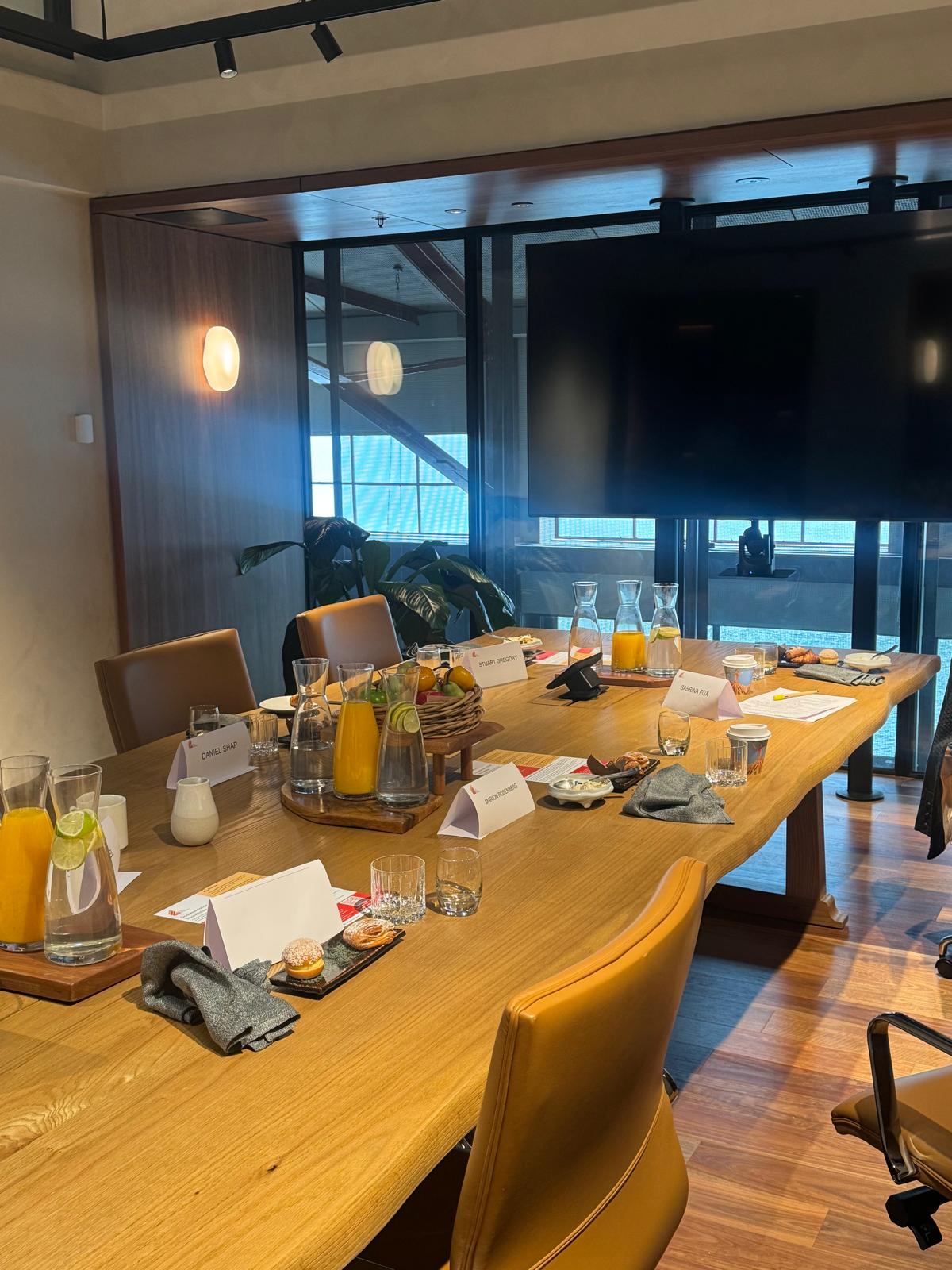
On the last day of April, I sat down for breakfast with a small group of senior credit professionals in Melbourne. It was the second of two Australian sessions in the documentation risk roundtable series, part of FLT’s Covenant Exchange initiative. It was the sixth stop after Amsterdam, Los Angeles, Paris, Seoul, Tokyo, and Sydney.
The boiling frog metaphor came up again here, having surfaced initially in Sydney. It is true that Australian documentation has a stronger starting point than the US or the UK. On top of that, director duties, the bias toward bank lending, the reluctance of the local market to tolerate aggressive sponsor behavior, the memory of Healthscope, and the moral weight that the four-pillar banking system places ondoing the right thing all combine to give Australian lenders meaningful protection.
But none of it is a guarantee. Erosion happens little by little, each individual concession appearing reasonable at the time. The concessions accumulate, just as they have in the U.S. and European markets. By the time anyone notices the temperature has changed, the protections that everyone assumed were there have already disappeared.
And this is not hypothetical - it is already happening at the top end of the private credit market. Global private equity sponsors coming into Australian deals are pushing for the same flexible terms they get everywhere else. Some of those terms are resisted, but some of them make it through. And the Australian mid-market, where stronger documentation still exists, is just at the margins of a market that has already invited in global sponsor terms.
This is important, because as one practitioner in Melbourne noted, you only need one loophole. You don’t need fifty. A document that looks water tight but contains a single uncapped basket can be enough for a motivated borrower to dispose of every meaningful asset through repeated transactions, each one falling under the basket, each one technically permitted. Documentation discipline isn’t about closing every loophole. It is about closing the ones that actually matter, and being willing to walk away if they remain.
Having said that, the Australian market has already pushed back against a deal in which a sponsor used embedded flexibility. Brookfield attempted to release collateral at Healthscope by restructuring a subsidiary, and the response from the Australian lender community was firm enough that the transaction was unwound. No significant liability management exercise has been attempted in the Australian market since. That was partly due the legal framework, as collateral provisions that do not auto-release on permitted transactions and director duties that act as a brake on aggressive board decisions. It is also partly the cultural backdrop of the market - the same market participants see each other across deals over the years, and a sponsor who behaves badly in one transaction will find capital raising harder in the next one.
There are work arounds. Some Australian companies, mostly in resources, have raised through the Nordic bond market in recent years specifically because it offers covenant-light terms that the local market would not accept. The yield is high, sometimes fifteen percent, but the absence of maintenance covenants is worth the cost to a borrower with cyclical cash flows.
A stress event in private credit has not yet arrived in any of the cities Covenant Exchange has visited thus far. Melbourne agreed with Sydney that when it does, the managers applying strict governance - doing daily mark-to-market valuations, holding the line on maintenance covenants, and saying no when capital is chasing them - will look very different on the other side of that event from those who did not hold the same line.
Australia - and other cities on my APAC tour - has a different market structure offering real protections that the U.S. and European lenders cannot rely on. However, the risk is treating those protections as a substitute for documentation discipline rather than asupplement to it. The frog doesn’t notice the temperature is changing until it is too late.